
 By Shalom Insights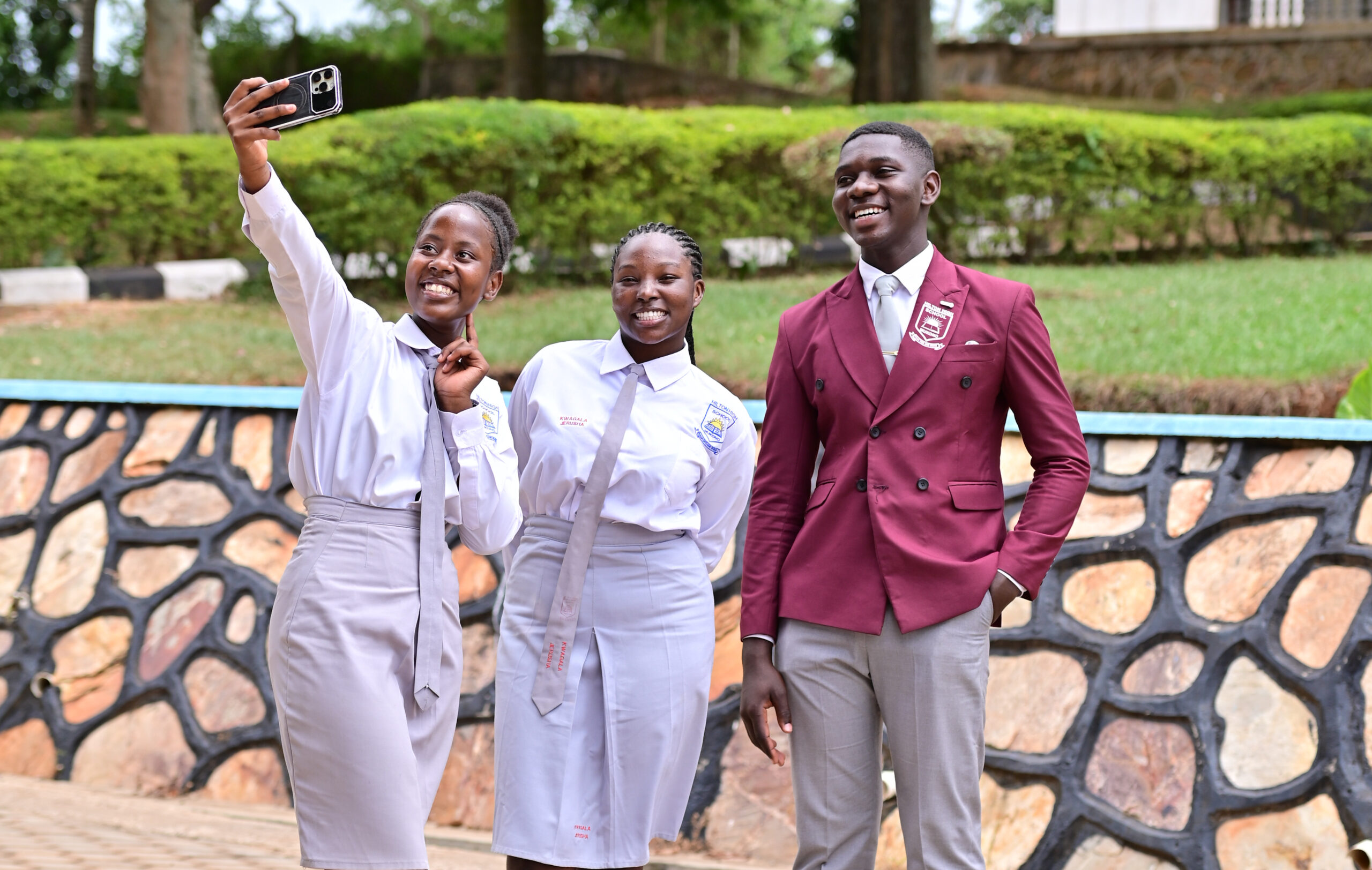
At Hilton High School, the conversation has moved past the traditional obsession with rote memorisation, pivoting instead toward a more complex question.
How do you educate a student for a 2026 economy that hasn’t yet been fully defined?
As the 2026 academic year approaches, Hilton High has emerged as a focal point for parents who are increasingly sceptical of the academic factories of old.
The school’s rise isn’t merely about its infrastructure or its Seventh-day Adventist roots; it is about a calculated move to humanise the secondary school experience.
The curriculum test
The implementation of the New Lower Secondary Curriculum has been a point of contention and struggle for many Ugandan institutions.
However, Hilton has treated the transition as a competitive advantage. By moving the focus toward Activities of Integration and practical ICT mastery, the school has turned classrooms into workshops.
The goal here is competency over content. In the school’s labs and seminar halls, students are being challenged to solve problems rather than just recite answers, a move that aligns with the global shift toward project-based learning.
The individualised philosophy
Perhaps the most significant departure from the standard Ugandan model is the school’s approach to the individual learner.
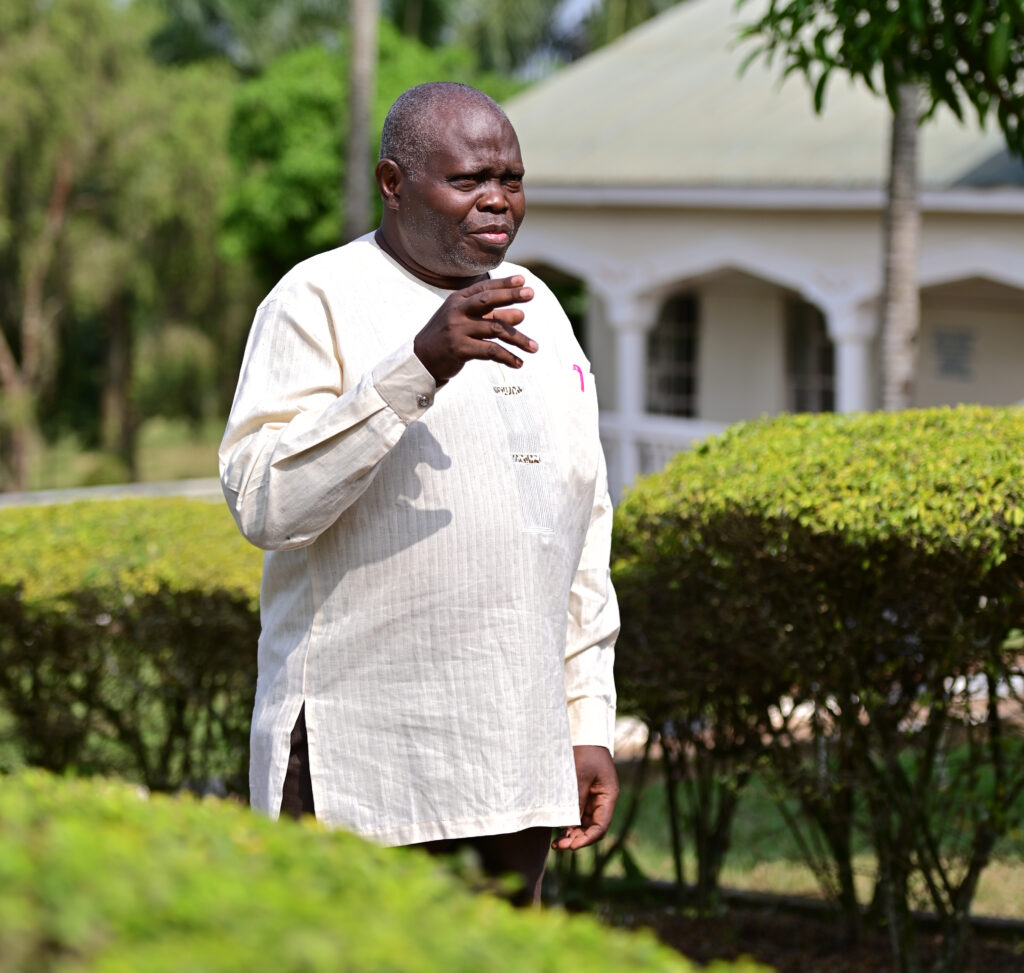
Headteacher Gordon Katimbo and his staff have championed a working system. This system often treats students as statistics.
Hilton’s faculty is tasked with a more clinical approach: identifying specific learning gaps and strengths early in the term.
This brand of inclusive education is designed to ensure that the middle-of-the-pack student isn’t lost in the shadow of the high achievers.
By bridging these academic gaps, the school is betting that a more confident student body leads to better long-term outcomes than high-pressure cramming.
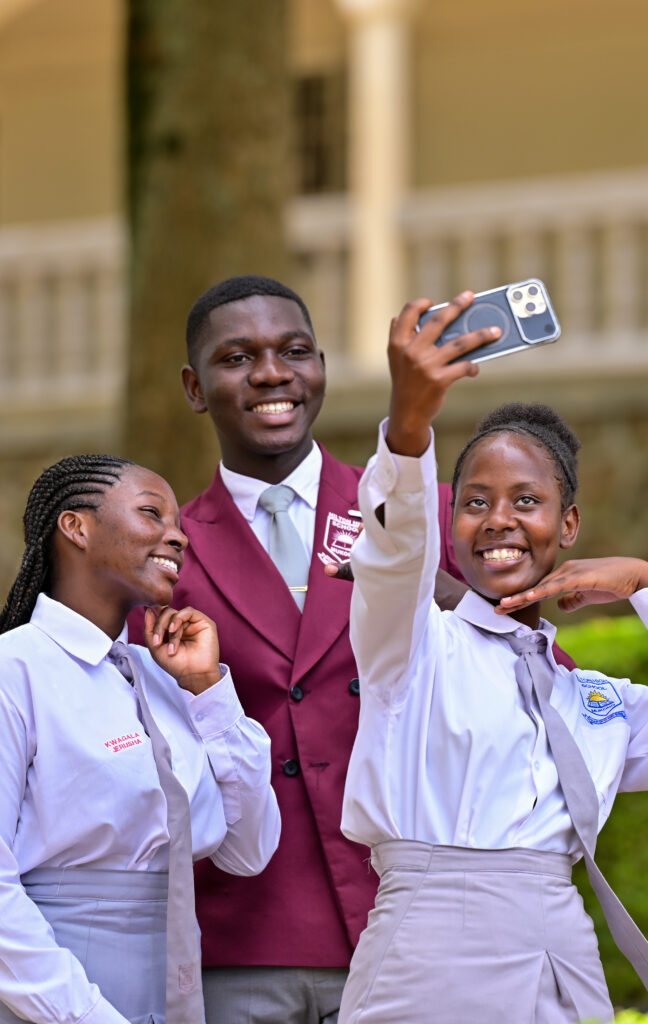
Culture and conscience
The school’s Seventh-day Adventist foundation provides the disciplinary framework, but the atmosphere on the Zion Campus is surprisingly polished to allow a student flourish.
With a student body drawn from across the East African Community, including Rwanda, South Sudan, and Kenya, the school serves as an example of regional integration.
This diversity, coupled with a strict God-centered moral code, creates a unique social environment.
Students are pushed to excel in the sciences, arts and sports, exemplified by a vibrant choir and a cultural revival program that attempts to keep traditional values alive in a digital age.
A modern roadmap
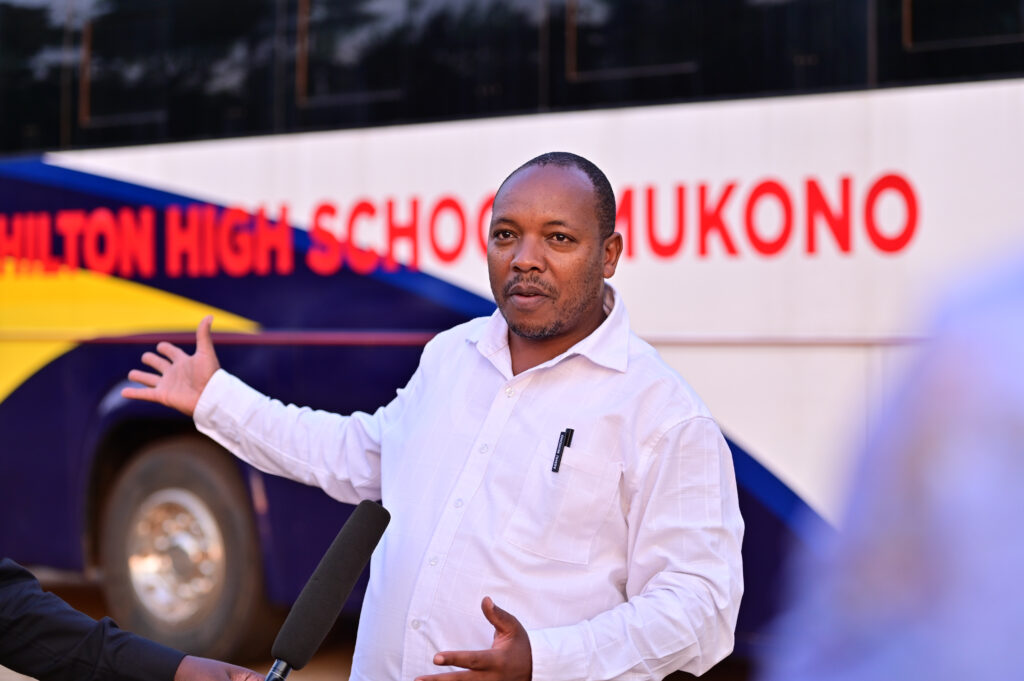
With the recent expansion of its facilities and transport fleet, Hilton High is clearly positioning itself for an influx of learners in the coming year.
As the landscape of Ugandan education becomes more crowded and competitive, Hilton’s survival and success seem to hinge on simple things being done right.
Education is no longer merely about the destination of a university degree; it is about the quality of the journey itself.
True education ensures the development of the whole person, nurturing the head, heart, and hand to produce a well-rounded individual.
 Edwin Kyle Kule